Mixed Signals / Segased signaalid – Renzo van Steenbergen and Kristjan Putsep.
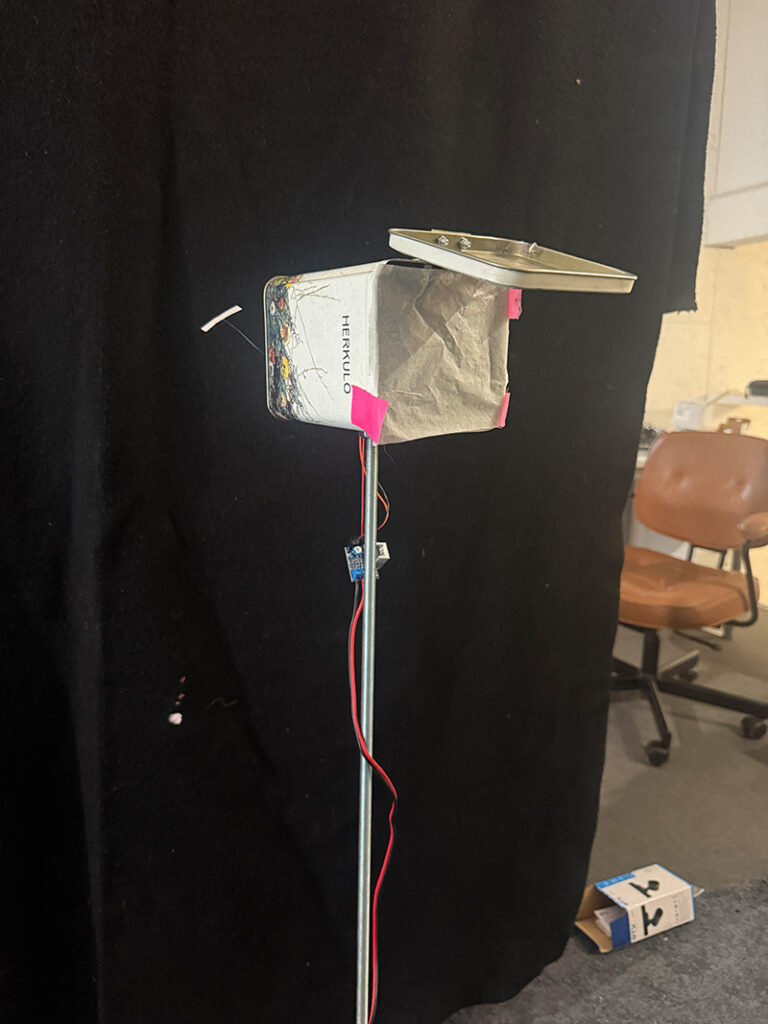
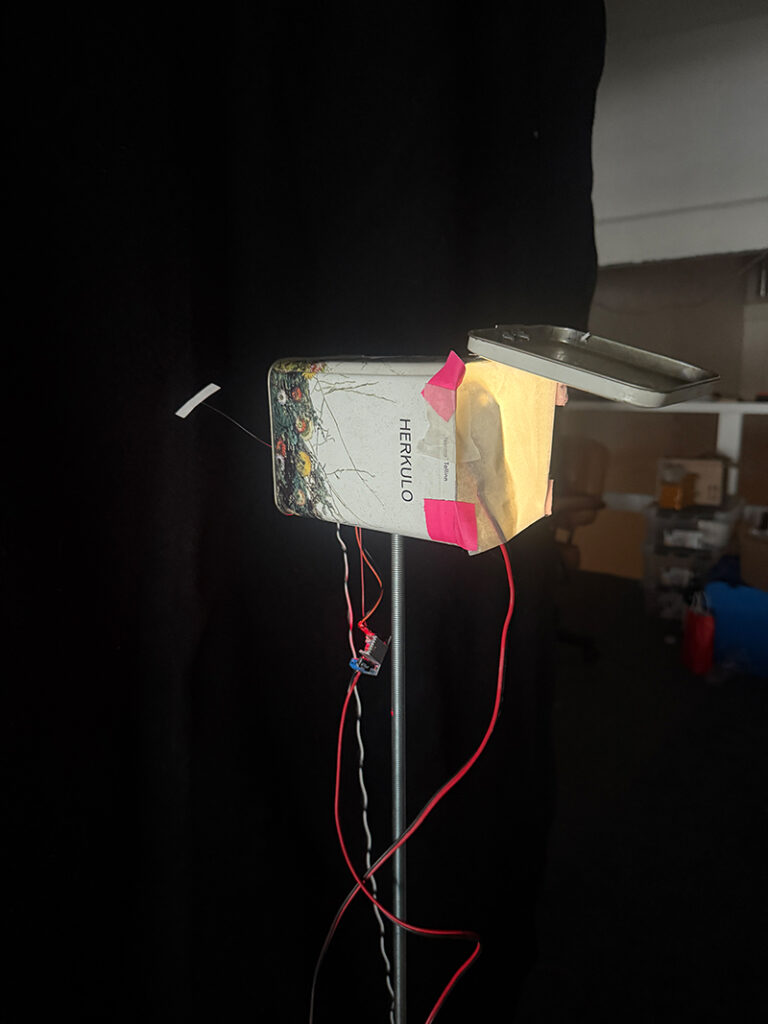
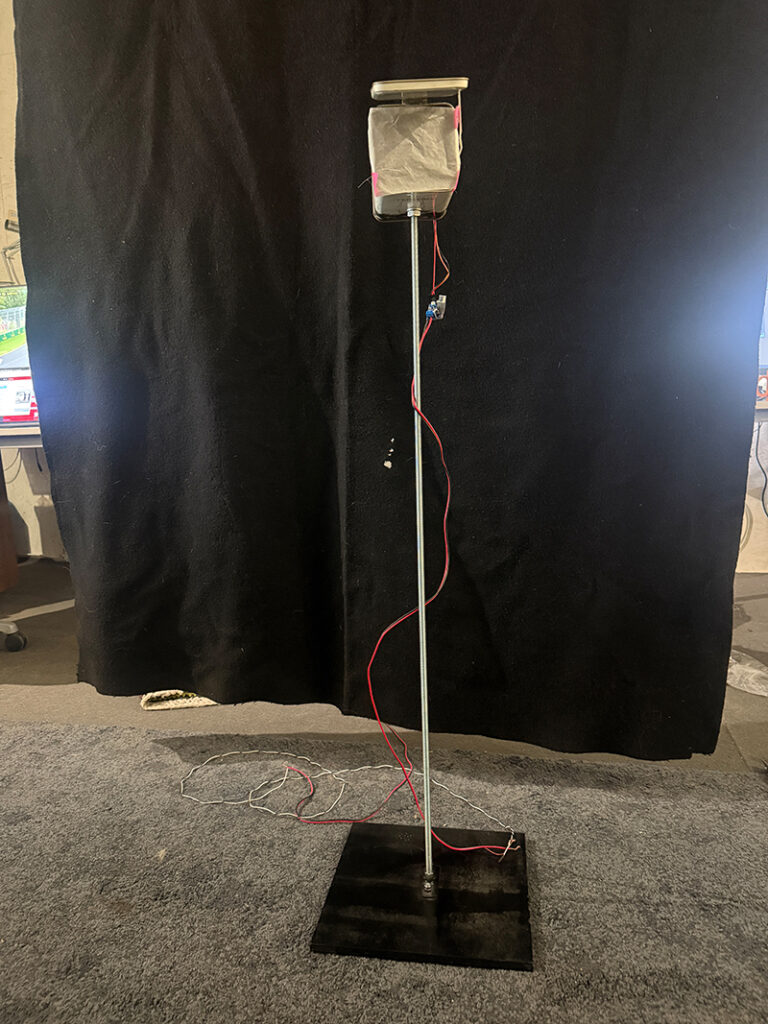
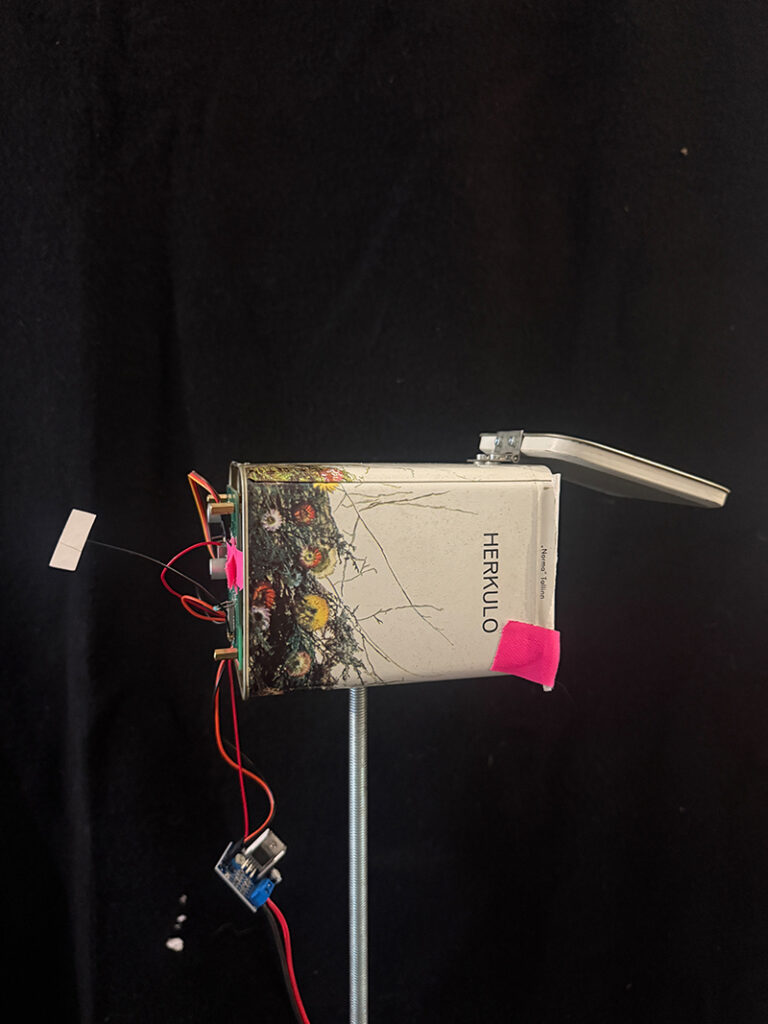
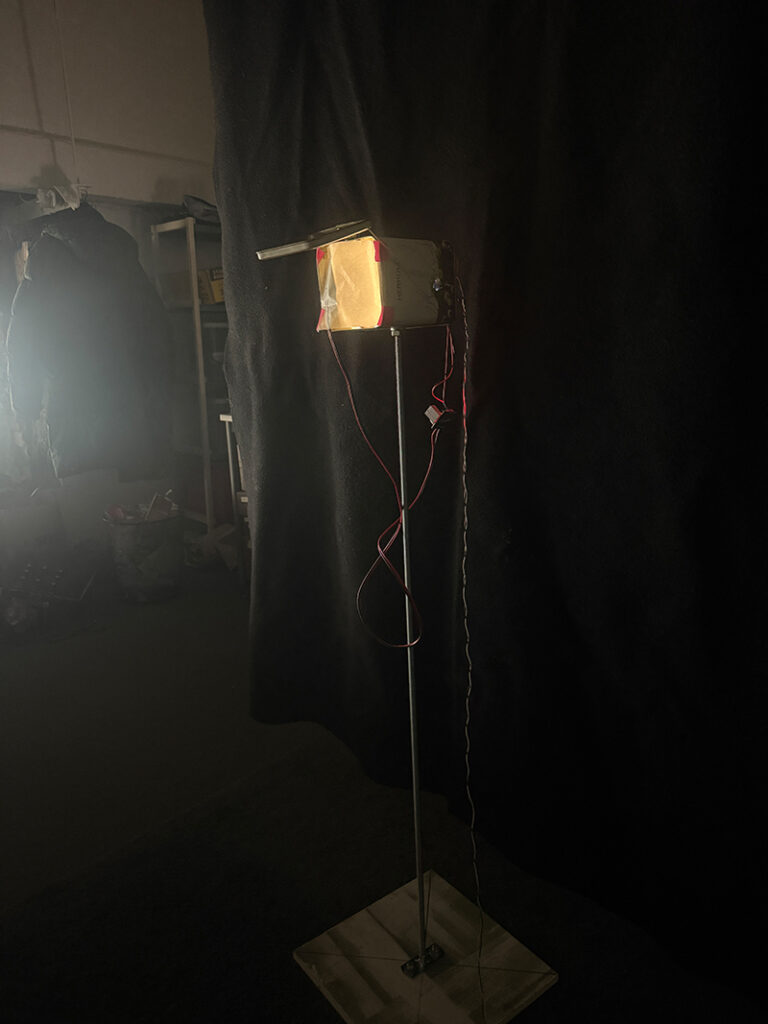
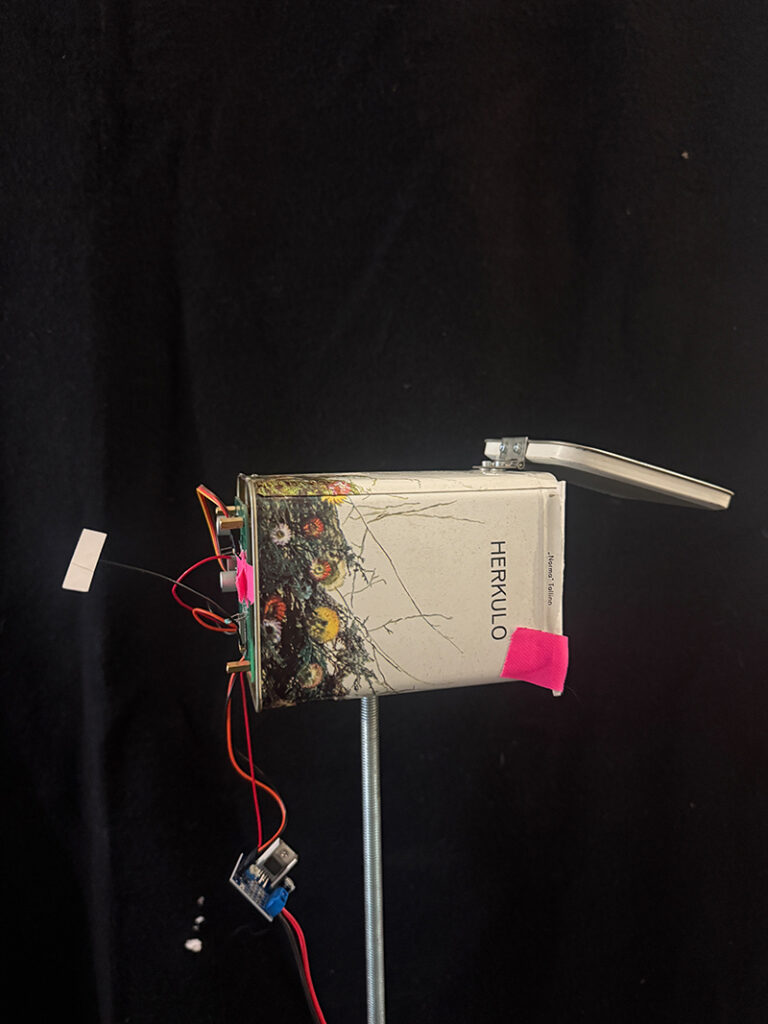
This page is currently just a draft with footage of the prototype. The work will premiere on 30th of April in Tallinn. This page will be updated with new footage as we progress along the way.
Mixed Signals is an immersive art installation that revives the mechanical poetry of flap displays and split-flap mechanisms — vintage technologies once widely used in airports and train stations to display and communicate information.
In a world saturated with digital screens, where human attention is tied to smartphones and LEDs, this installation offers a sensory counterbalance: the celebration of tactile, rhythmic analog systems’ sounds.
Custom-designed panels, inspired by the mechanics of flap displays and split-flap indicators, create a captivating chorus of clicks, snaps, and whirs as they transition through abstract configurations and composed distributions. These mechanical rhythms, combined with the subtle light modulations produced by the panels’ movements, evoke nostalgia for an era when information was transmitted through physical, audible processes.
Besides repurposing technology from the past we have also used 100 vintage tin food containers for the base of the installation. These dry storage containers have been present in any household since the 50’s, which adds to the familiarity and nostalgia of the installation. The rhythmic sounds of rotating flaps and moving dots — reminiscent of the buzzing in train stations and waiting rooms — create a visual and auditory landscape that feels simultaneously familiar yet alien. Drawing on the emotional resonance of these sounds, the installation explores how analog technologies once shaped human experience in ways that digital interfaces rarely do today.
By varying the speed and patterns of the panels’ movement, the work shifts from calming, meditative rhythms to dynamic, unpredictable bursts of sound and light. The interplay of light and shadow, arising from the panels’ rotation and repositioning adds a visual layer that merges with the sonic experience.
The 100 mechanical sculptures are distributed through the exhibition space, inviting visitors to move freely among and between them. This arrangement encourages an organic choreography in which human movement intertwines with the rhythmic pulse of the machines, forming a dynamic, living organism that breathes with collective energy. Visitors are encouraged to surrender to the hypnotic interplay of flickering lights, rhythmic sounds, and mechanical motion — to switch off and fully immerse themselves in a sensory experience that recalls the warmth of the analog era.
Located in a dimly lit, minimalist room, the installation allows visitors to move amongst the sculptures, each generating distinct rhythms and light patterns that together shape the space. The work not only showcases the beauty of mechanical systems but also challenges the dominance of digital culture. By uniting art, engineering, and cultural history, this project offers a thoughtful reflection on the evolution of technology and its impact on human relationships.